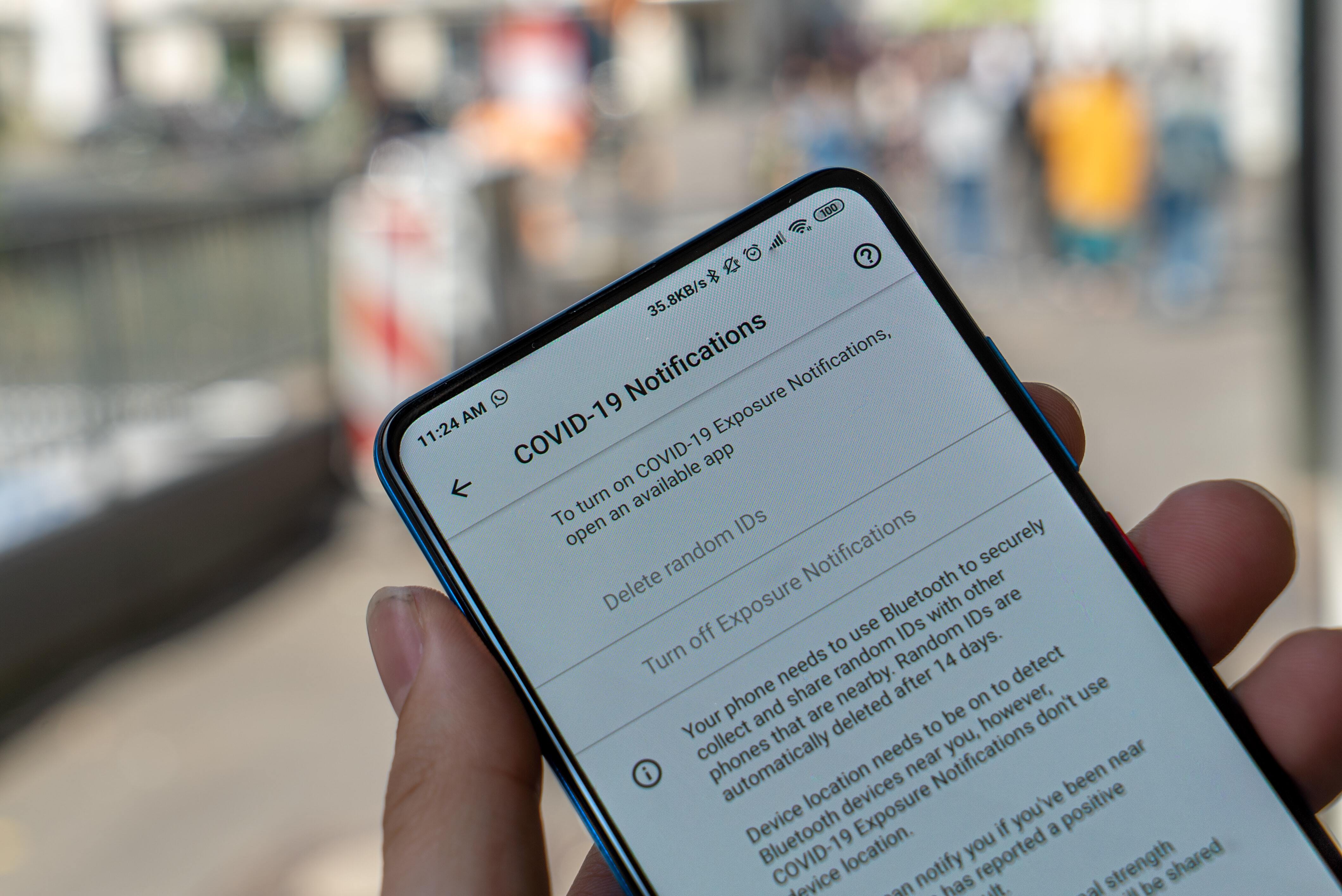
Complying with communication and health screening requirements is a difficult task. So, we’ve gone ahead and simplified the information for major US cities.
New York
Simply put, NYC requires strict adherence to daily mandatory screening in office buildings. Here are the key pieces to consider, also available on the NY Gov site here,
- Designate a central point of contact, which may vary by activity, location, shift or day, responsible for receiving and attesting to having reviewed all employee questionnaires, with such contact also identified as the party for employees and visitors to inform if they later are experiencing COVID-19-related symptoms, as noted on the questionnaire.
- Implement mandatory health screening assessments (e.g. questionnaire, temperature check) for employees, contractors, and other visitors, specifically asking about: (A) COVID-19 symptoms in the past 14 days, (B) Positive COVID-19 test in the past 14 days, and (C) Close contact with confirmed or suspected COVID-19 case in the past 14 days.
- Review all employee and visitor responses collected by the screening process on a daily basis and maintain a record of such review.
- Maintain a continuous log of every person, including workers and visitors, who may have close contact with other individuals at the work site or area.
San Francisco
San Francisco Health Officer has introduced an Office Facilities Directive, a legally binding document instructing property managers on how to comply with the Health Order laws.
- Develop a plan and implement daily COVID-19 symptom self-verifications for all personnel as required by the Social Distancing Protocol (contained in Health Officer No. C19-07e).
- “Personnel” includes all people providing goods or services associated with the facility: employees, contractors and subcontractors, independent contractors; vendors, volunteers, and other individuals who regularly provide services.
- Each office manager (ie.“office facility”, as stipulated in the Health Order) must provide a copy of the Health and Safety Plan and evidence of its implementation to any authority enforcing this Directive upon demand.
- Each office facility must (a) make the Health and Safety Plan available to a member of the public and Personnel on request, (b) provide a summary of the Health and Safety Plan to all Personnel working on site or otherwise in the City in relation to its operations, and (c) post the Health and Safety Plan at each entrance to any office facility.
- Note: The Directive is somewhat vague in saying that “all personnel” are required health screenings, while the Social Distancing Protocol indicates that health screening is mandatory on construction sites.
Chicago
The city of Chicago has a strong focus on self-reporting COVID-19 cases to the Chicago Department of Public Health (CDPH) and abiding by CDC guidelines for managing COVID-19 cases on your property. Furthermore, the city recommends but does not require that occupants answer a health questionnaire when arriving on site.
- If an individual does contract COVID-19, they must follow all CDC guidelines before returning to work.
- If an individual is identified as being COVID-19 positive, the testing, cleaning and disinfecting must be performed according to CDC guidelines.
- Any individual who has had close contact with a co-worker or any other person who is diagnosed with COVID-19 should self quarantine according to CDC guidelines.
- If a facility becomes aware of 2 or more cases possibly associated with an establishment over a 14 day period, employers are required to report cases to CDPH.
- The city recommends self-screening by which an individual answers 4 questions based on the guidance of the Commissioner of Health.
Boston
The city of Boston has a comprehensive list of mandatory and recommended guidelines, much like New York and Chicago.
- Log everyone who comes in contact with the site to enable contact tracing, including temporary visitors (e.g., those doing material drop-offs).
- Much like other cities, Boston requires you to post notices to workers and customers informing them of important health information and relevant safety measures as outlined in the Commonwealth’s Mandatory Safety Standards for Workplace.
- If a Coronavirus case is discovered on your property, you are responsible to notify the local Board of Health (LBOH) in the city or town where the building is located. Interestingly, the web site does not provide contact info to each LBOH, so we recommend contacting the support center at support@mahb.org or 1-508-643-0234.
Miami
The city of Miami has a handful of rather basic mandatory guidelines that office buildings must follow. Although it does not specify, the language appears to put the onus of responsibility on office tenants and not necessarily the property management. That said, the guidance is vague, so it is prudent to take extra precautions.
For more specific but not mandatory guidelines, the state of Florida recommends that building managers follow Occupational Heath and Safety Administration guidelines. Although this is not mandatory, there are a few important points to call out:
- Prompt identification and isolation of potentially infectious individuals is a critical step in protecting workers, customers, visitors, and others at a worksite.
- Employers should inform and encourage employees to self-monitor for signs and symptoms of COVID-19 if they suspect possible exposure.
- Where appropriate, employers should develop policies and procedures for immediately isolating people who have signs and/or symptoms of COVID-19, and train workers to implement them.
Re-entry is a new area of risk.
The hardest part about re-entry is accepting this is a new area of risk. Some cities such as NYC and SF have outlined clear and achievable guidelines that will actually mitigate new cases on your property. While you may be overwhelmed by hundreds of items on your property management list, remember not to lose sight of the bigger purpose – keeping people on your properties healthy and safe.
The quickest win is enforcing clear communications and health screenings to ensure that you’re taking the basic steps to reduce the spread of COVID-19 and reduce your liability as a building manager. Jones has launched a whole suite of new tools to help you reduce the spread of COVID-19 from vendors re-entering properties. Check out a demo today.